01 / Define
Capture vehicle geometry, loading and market requirements.
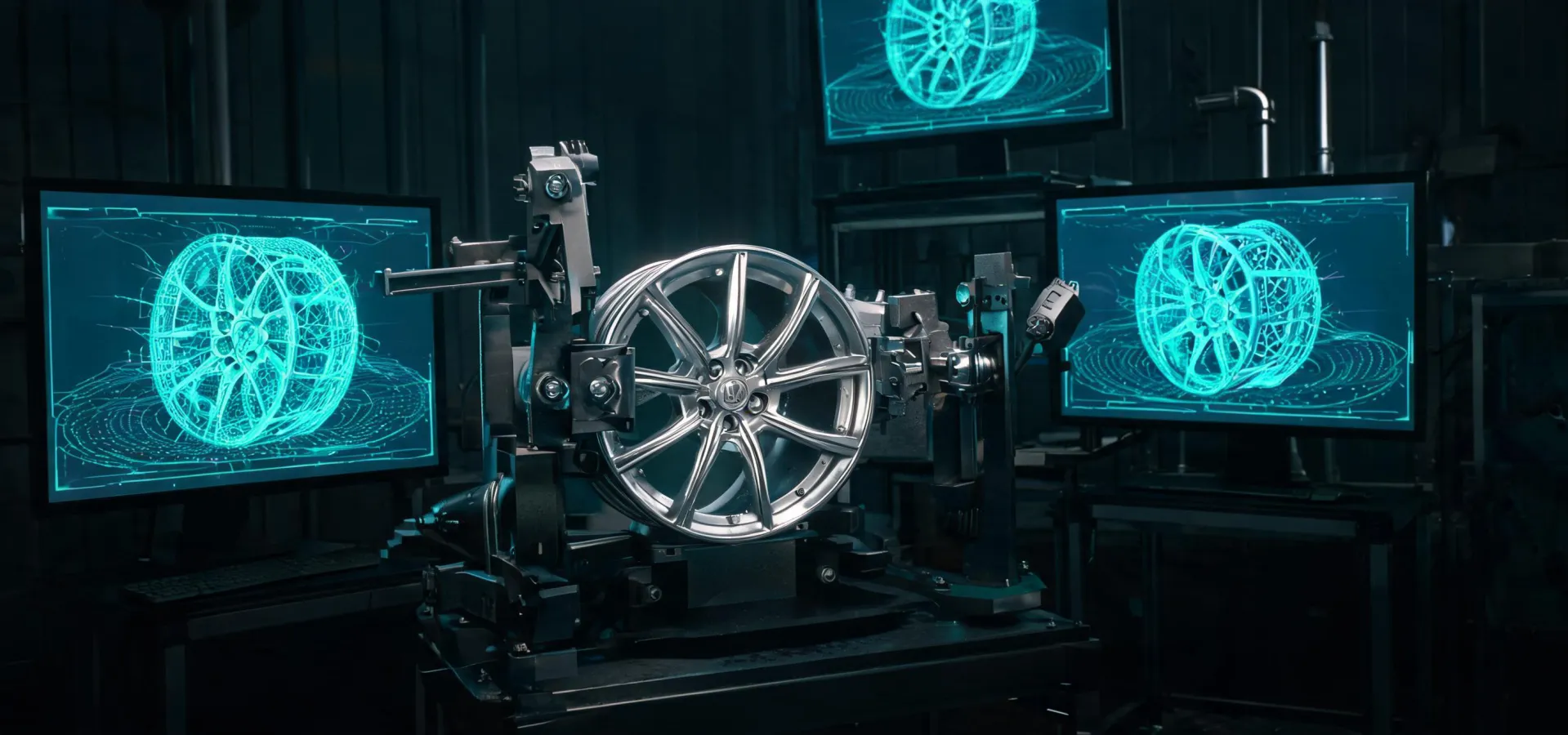
Explore the development path from material assumptions to a testable wheel design.
A useful roadmap defines what is known and what must be measured. The sequence below describes a review framework; timing and scope depend on each program. Establishing the boundary conditions early allows the team to distinguish a design assumption from an observation. The drawing, test sample and intended operating environment should remain traceable as the design develops.
Capture vehicle geometry, loading and market requirements.
Review material, geometry and simulation assumptions.
Set up samples and acceptance criteria for the chosen methods.
Compare observations with the model and control revisions.
Forging and casting each bring different design, tooling and volume considerations. Forging can suit programs prioritizing strength-to-weight ratio and custom dimensions, while casting can suit complex forms and production scale. Tooling investment, lead time and purchasing cost depend on the design and volume; neither route establishes the performance of a particular wheel without verification. Selection should follow the actual wheel geometry and acceptance requirements. Consider the available volume, machining allowances and desired surface finish alongside the physical design. Weight or performance changes need to be evaluated on the specific design using a stated method.
Input: process routeA model is only as useful as its boundary conditions. Record the load case, material properties and assumptions so that later test results can be interpreted against the same revision. Model results can guide a test plan, but they do not replace a physical test. Document constraints, mesh assumptions and load directions when reviewing what the simulation can and cannot establish.
Input: load casesWhen a wheel-end program includes sensing, define packaging, signal and environmental interfaces with the relevant vehicle architecture. Integration requires review at the system level. Consider sensor location, signal integrity and the operating environment with the appropriate system owners. Verify that any proposed interface remains compatible with the wheel, hub and installation process.
Input: interface definitionMaterial specialists, vehicle engineers and testing teams contribute different evidence. The scope and responsibilities for any collaboration should be confirmed for the specific project. Responsibilities for sample preparation, measurement and interpretation should be explicit before tests begin. The choice of a laboratory or supplier and the associated work package depend on the needs of the program. Sharing the same design revision across disciplines reduces ambiguity when findings are returned to the decision makers. A report should identify the wheel and revision it covers, rather than being treated as a blanket statement about every product.
Drawing and revision
Duty and boundary conditions
Test procedure and sampling
Acceptance and reporting
Tell us about your design assumptions and the evidence you need to make the next decision.
Discuss development