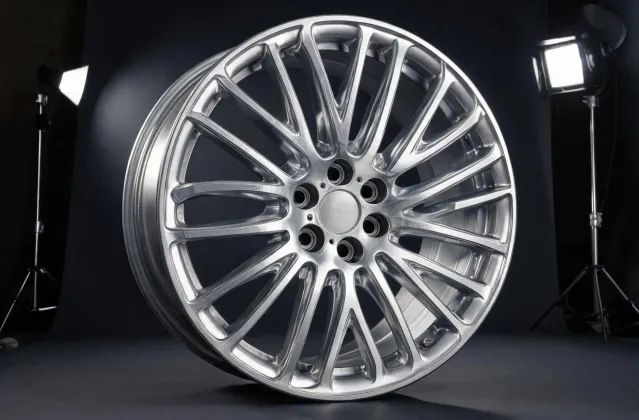
Wheels
Forged and cast alloy wheel geometry for defined vehicle fitment.
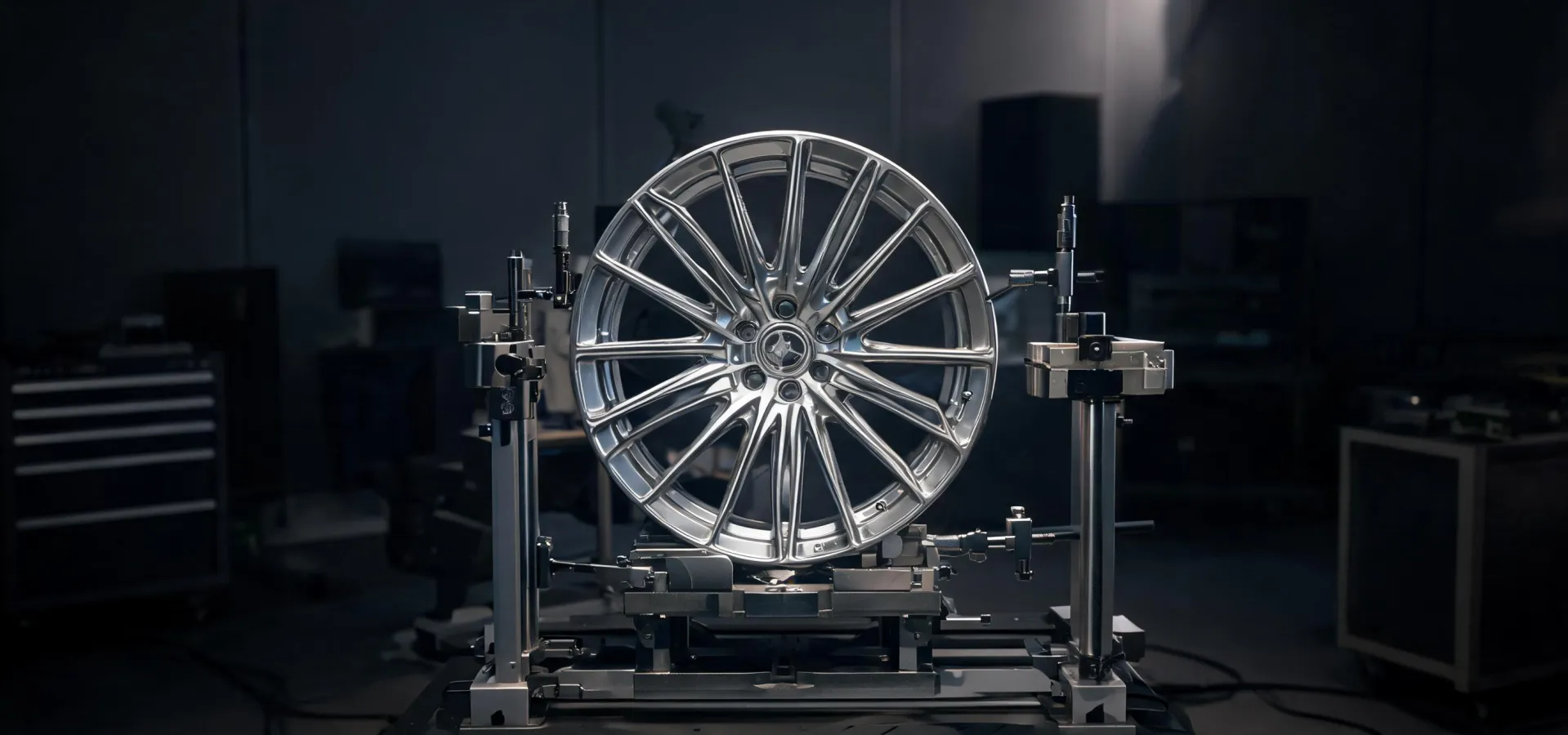
WHEEL DEVELOPMENT / MATERIAL TO MOTION
Connect fitment geometry, material choices and validation planning in a documented path from concept to procurement.
Explore Wheel LabIdentify the interface first, then discuss the product and evidence needed for your program.
Forged and cast alloy wheel geometry for defined vehicle fitment.
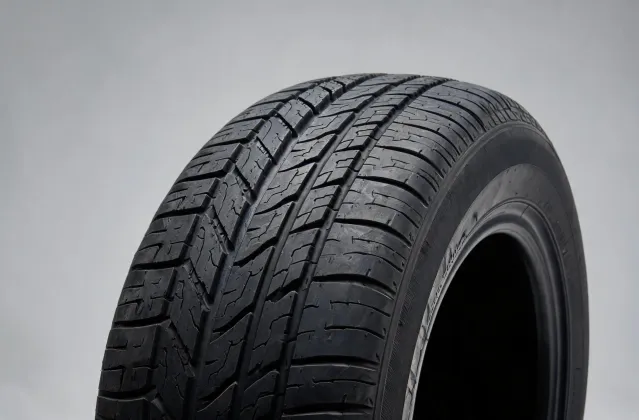
Consider size, load index and operating conditions at the vehicle interface.
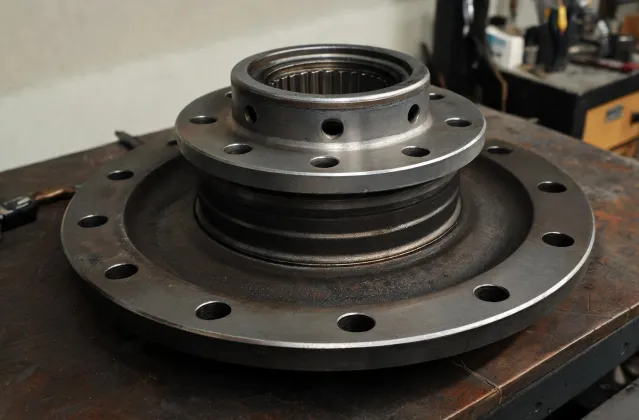
Review flange and sensor interfaces alongside the wheel.
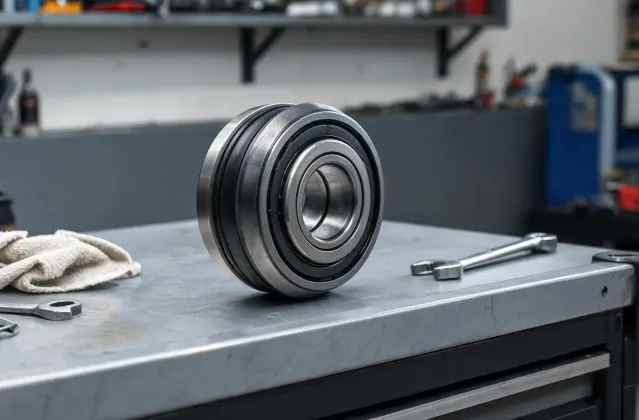
Specify bearing dimensions and sealing at the wheel end.
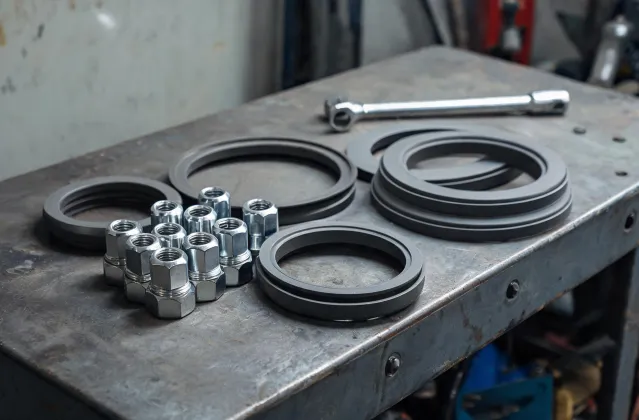
Check fastening and centering details during fitment review.
PCD, offset, center bore, diameter, width and load rating define the starting envelope. Brake clearance and fastener seating also need review against the actual platform.
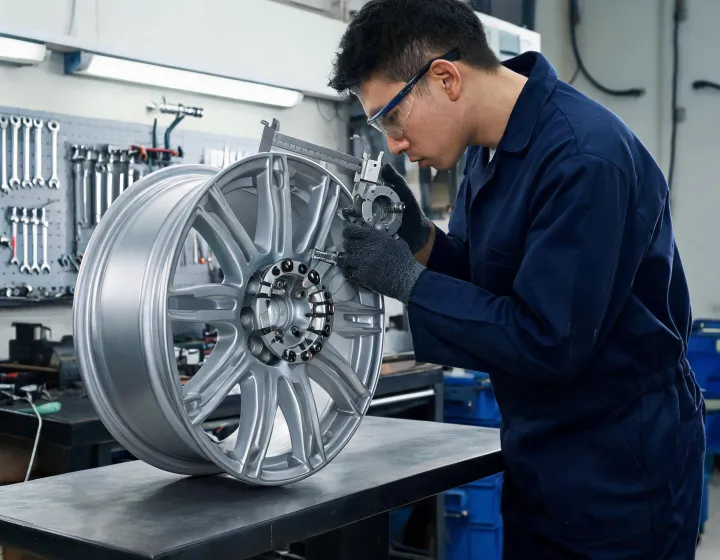
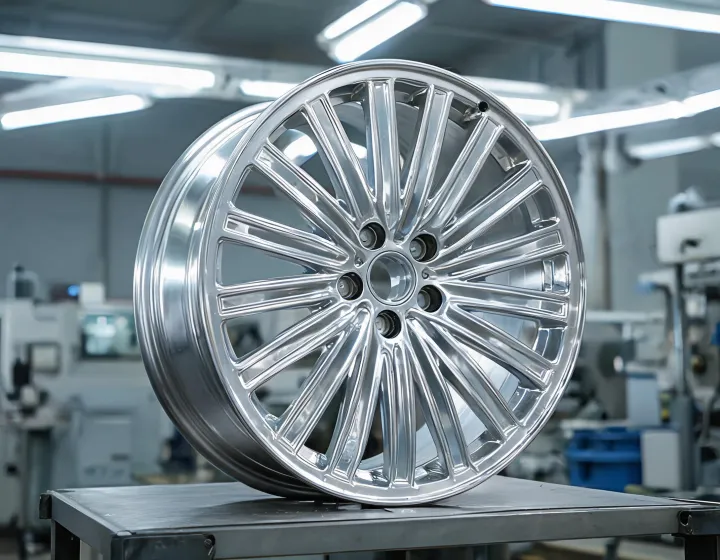
Forging and casting involve different tooling and design tradeoffs. Agree on finish, inspection and acceptance criteria with the relevant drawing revision before release.
Request applicable quality and test documentation for the exact product and destination. Management system certification is distinct from product approval.
Package wheel geometry around brakes and suspension while confirming load requirements.
Assess spoke profile and clearance against the intended wheel and tire combination.
Document duty cycle, replacement expectations and procurement quantities.
Define operating environment and the wheel-end interfaces before selecting a design.
Gather vehicle and fitment inputs.
Review design and material options.
Agree on methods and acceptance criteria.
Control revisions and procurement details.
Share the platform, dimensions, quantity and intended market to start a useful technical conversation.